When we are children, adults seem to belong to a completely different world. They are the people who know what they are doing, have jobs, homes, families, and seem to have life under control. We look at them with admiration, imagining that one day we will join their ranks.
Then we grow up, and the picture becomes a little less clear.
Somewhere in our twenties or thirties, we begin measuring ourselves against the image of an adult we have carried since childhood. Should we own a home by now? Have a family, children, and a well-paid job? Should we feel settled and certain about the direction our lives are taking?
I have come to realize that the adults I admired as a child belonged to a different generation, shaped by different social and economic circumstances. Yet we sometimes continue to measure ourselves against their standards, even when our opportunities and realities are no longer the same.
To me, growing up is not simply about reaching a certain age or checking off a list of milestones. It is about questioning inherited expectations, accepting that we don’t have all the answers, and finding people who make uncertainty easier to carry.
These five films explore different sides of that experience. Some are funny, some melancholic, and some wonderfully strange. But all of them offer a glimpse into the complicated business of growing up.
1. Frances Ha (2012): The Importance of Finding Your People

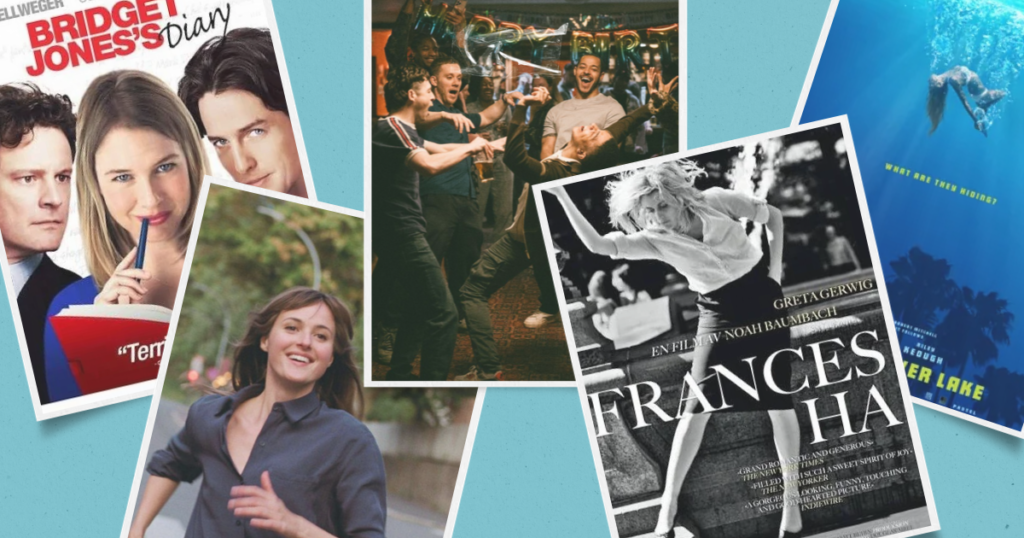
There is something wonderfully playful about Frances Ha, the 2012 film Noah Baumbach co-wrote with Greta Gerwig, who also stars as Frances, a young woman in New York trying to find her place in life. She wants to become a dancer, but her career isn’t taking off, her finances are uncertain, and her friends seem to be moving forward while she is still searching for her footing.
When I first watched this film, my best friend had just moved to another country. I was learning what it meant to miss someone who had been such a natural part of my everyday life. It was lovely to see some of that longing and affection reflected on screen.
One of the things I love most about Frances is her uninhibited, almost childlike playfulness. Not everyone understands it, but some people share her enthusiasm and spontaneity. The film reminded me that we don’t have to change ourselves just to be liked by everyone. There is something special about finding people with whom we can be entirely ourselves.
I also love that Frances holds on to her ideas about love. During a conversation over dinner, she describes the kind of connection she hopes to find: the sort where two people catch each other’s eye across a crowded room and simply know they belong together. She isn’t interested in settling for just any relationship because everyone around her seems to be pairing off.
The film doesn’t hand her a grand breakthrough. Instead, Frances takes a small, unglamorous step toward a life that makes sense for her. She finds work at the dance school while continuing to pursue her creative ambitions. I found that much more believable than a sudden, life-changing success.
To me, Frances Ha is a film about friendship, creative ambitions, and the courage to keep moving without a clear plan.
2. The Worst Person in the World (2021): The Freedom to Change Your Mind
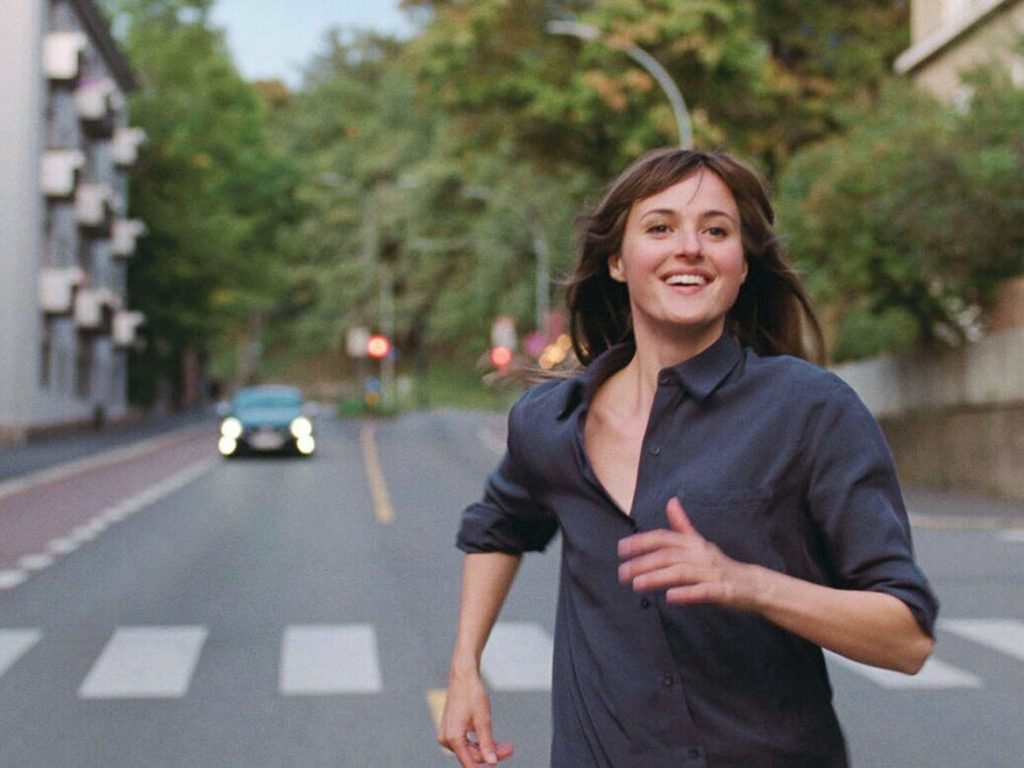
Joachim Trier’s The Worst Person in the World feels like a nostalgic letter to the imperfections and wandering of youth. Its protagonist, Julie, is approaching thirty and still doesn’t know what she wants from life. She changes professional direction, moves between different ideas of who she might become, and struggles to make decisions about love and the future.
I have always been someone who takes a long time to figure out what I want. One day I might imagine myself studying the arts; the next, I could be considering applied mathematics. Sometimes I wonder whether I am genuinely discovering new interests or simply trying on identities.
This is one of the things I find so interesting about Julie. The film looks at her uncertainty with tenderness and a certain amount of irony. Sometimes we are genuinely curious; sometimes we are attracted to the idea of belonging to a particular group.
There is nothing wrong with wanting to find like-minded people. We all need a sense of belonging. But I have come to realize that I want to be accepted not for the identity I present to the world, but for who I am underneath all those labels.
The film explores the fear of making the wrong choice and the uncomfortable realization that we cannot experience every possible version of life. To me, it is one of the most honest films about growing up: uncertainty doesn’t necessarily disappear as we get older. Sometimes we simply become better at living with it.
3. Bridget Jones’s Diary (2001): Who Decided What a Successful Thirty-Year-Old Looks Like?
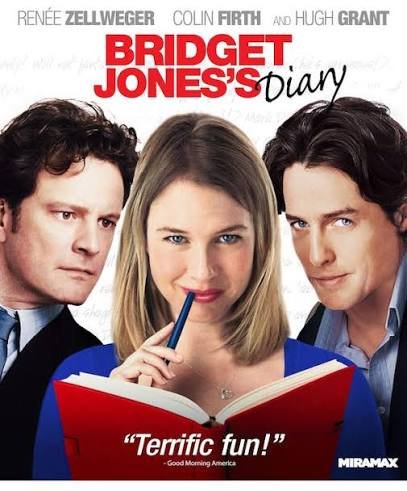
When Bridget Jones’s Diary was released in 2001, its protagonist was a 32-year-old single woman worried about her weight, her love life, and the possibility of remaining alone forever. Watching it today is an interesting experience. The film is also a time capsule of the expectations placed on women at the beginning of the century.
Bridget’s age, appearance, weight, and relationship status are recurring sources of anxiety and humor. The underlying assumption is often that something is missing from her life because she hasn’t found a partner.
But if we look at Bridget through today’s eyes, I would argue that she is actually doing rather well. She has a career in publishing, lives independently, and has a social life. She has a sense of humor and a personality that makes her wonderful company.
All right, some of her less-than-healthy habits might be worth reconsidering, but otherwise, I would happily have her as a friend. I suspect we would have a very good time together.
What I find particularly interesting is how much of the film’s humor depends on the idea that a woman in her early thirties should already have certain things in place. She should be attractive, successful, independent, and still looking for a partner. The film plays with these expectations, but it also reveals how familiar they were at the time.
It is a surprisingly narrow portrait of adulthood. To me, Bridget Jones is a reminder that sometimes the problem isn’t our lives, but the standards we use to evaluate them.
4. I See Buildings Fall Like Lightning (2026): Growing Up in a Different Economy
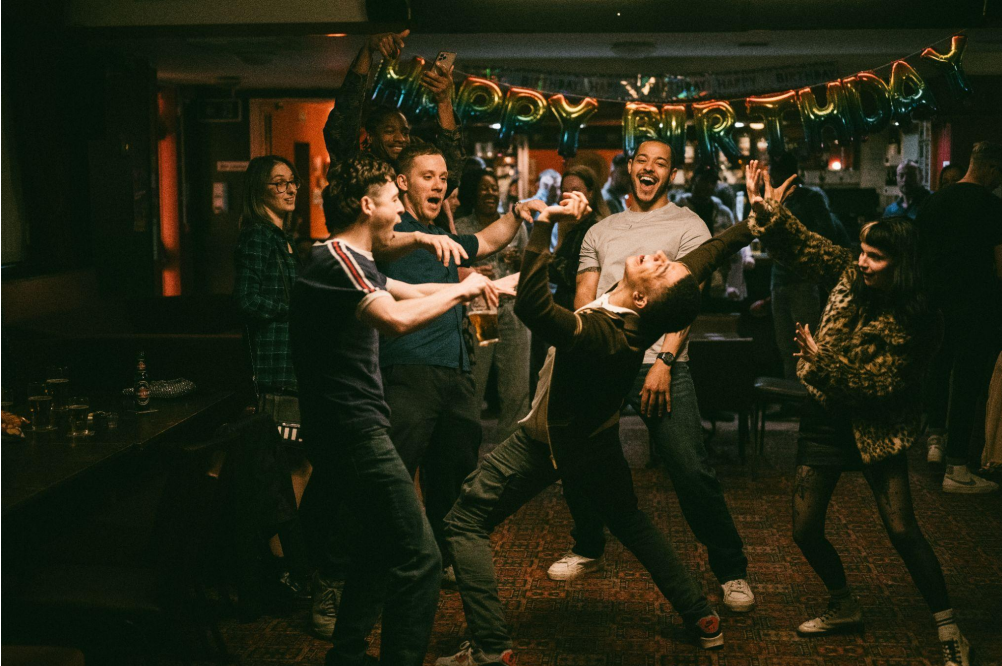
Clio Barnard’s I See Buildings Fall Like Lightning follows five childhood friends from Birmingham who are approaching thirty. The film premiered at the 2026 Cannes Directors’ Fortnight, where it won the People’s Choice Audience Award. It is due to arrive in UK theaters on December 4, while Kino Lorber has acquired the North American distribution rights for a planned 2027 release.
Each character seems to have been dealt a different hand by life. There is loneliness, loss, addiction, insecure work, and family responsibility. Their circumstances are far from identical, but their friendship remains an important part of their lives.
The film has a particular warmth and sensitivity. Its humor helps the characters face the difficulties life throws at them without making their struggles feel any less real. Some are trying to build families; others are dealing with unstable work, strained relationships, or the consequences of choices they made along the way.
It understands that we don’t all start with the same cards, and that our circumstances can shape our possibilities in ways beyond our control. Some people have more financial security, more support, or simply more room to make mistakes. Others have to spend much of their energy dealing with challenges they never chose.
And yet, there is something deeply moving about the way these friends continue to show up for one another. There is extraordinary comfort in having a friend you can call in the middle of the night when your world seems to be falling apart. Someone who knows your history and doesn’t need you to explain every little thing.
The film also touches on one of the most pressing issues facing younger generations: the housing crisis. For many people, finding a secure and affordable home is becoming increasingly difficult, regardless of how hard they work. The traditional idea of owning a home and having a stable foundation by thirty no longer reflects everyone’s reality.
Not every delayed milestone is the result of indecision or a lack of ambition. Sometimes the conditions themselves have changed, and the cards we have been dealt are not the same as those held by previous generations.
To me, I See Buildings Fall Like Lightning is a film about the forces that shape our lives beyond our individual choices. It is also a beautiful portrait of friendship as a source of strength when life doesn’t turn out as planned.
5. Under the Silver Lake (2018): What If Growing Up Never Really Happens?

One small moment in David Robert Mitchell’s Under the Silver Lake stayed with me: a phone conversation between Sam and his mother. When she asks how things are going, he gives her the impression that everything is fine, even though his situation is considerably messier than he would like her to believe.
Sam is 33 and lives in Los Angeles. He is unemployed, behind on his rent, and seemingly without any particular direction. Instead of confronting the practical questions of his life, he becomes absorbed in an elaborate mystery of hidden messages, symbols, and connections between seemingly unrelated events. The film is full of references to pop culture, old movies, and music, creating the feeling that everything we have ever watched or listened to might be part of some elaborate script.
That raises an interesting question: how much freedom do we really have to create ourselves? Are our identities shaped by the stories and cultural references we have absorbed, or can we step outside them and decide who we want to become?
Unlike the other films on this list, Under the Silver Lake doesn’t offer a comforting picture of growing up. Sam seems caught between adolescence and adulthood, searching for meaning while avoiding the questions closest to home.
To me, the film is an unsettling exploration of what can happen when the search for a grand explanation becomes a way of avoiding everyday responsibilities. Sometimes it is easier to look for hidden meanings in the world around us than to face the things we already know we need to change.
What Does Growing Up Mean to Me?
Writing about these films made me realize that I may have been looking at adulthood through the wrong lens. I used to see it as a list of milestones, but those milestones are not the only way to build a life.
These films offer a different picture. Growing up can mean questioning inherited standards, as Bridget Jones invites us to do. It can mean accepting that uncertainty never fully disappears, as Julie does. It can mean recognizing that forces beyond our control shape us, as the Birmingham friends’ stories show. And, as Under the Silver Lake reminds me, it can mean noticing when we are avoiding our own lives.
But the thread I keep returning to is friendship: building deep, lasting connections and finding people with whom we can share both the joyful and difficult parts of life. Having someone to call in the middle of the night, someone who understands your sense of humor, remembers the little things, and accepts you without expecting you to become someone else.
These connections feel like a much more meaningful measure of a life well lived than a list of achievements checked off one by one. They are something we build over time, through shared experiences, care, and the decision to keep showing up for one another.