There is a smell I would know anywhere: the smell of dried herbs. It’s grassy and sweet, a little dusty, and somehow also like summer that has been folded up and put away for later. When I smell it, I’m a child in my mother’s house again, in the middle of winter, with a warm cup in both hands.
Herbal tea is one of the easiest ways I know to slow down in the evening. It asks for almost nothing: hot water, a few leaves or flowers, and a little time. And yet, a cup of tea can become one of the quietest, most meaningful parts of my day. It’s a small signal that the busy part is over.
Honestly, a warm herbal tea is one of the first things I reach for when I get chilled or start feeling a little under the weather. It’s not a cure, of course, but it’s one of those simple things we naturally do to take care of ourselves. In this article, though, I want to focus on herbal tea as a ritual rather than a remedy. To me, its value lies mostly in the experience: the scent rising from the cup, the pause, the warmth, and the memories it carries. In a world full of wellness products and new things to try, I love how little a simple cup of homemade herbal tea requires. It’s a reminder that small pleasures don’t have to cost much.
Bringing the Seasons into Everyday Life
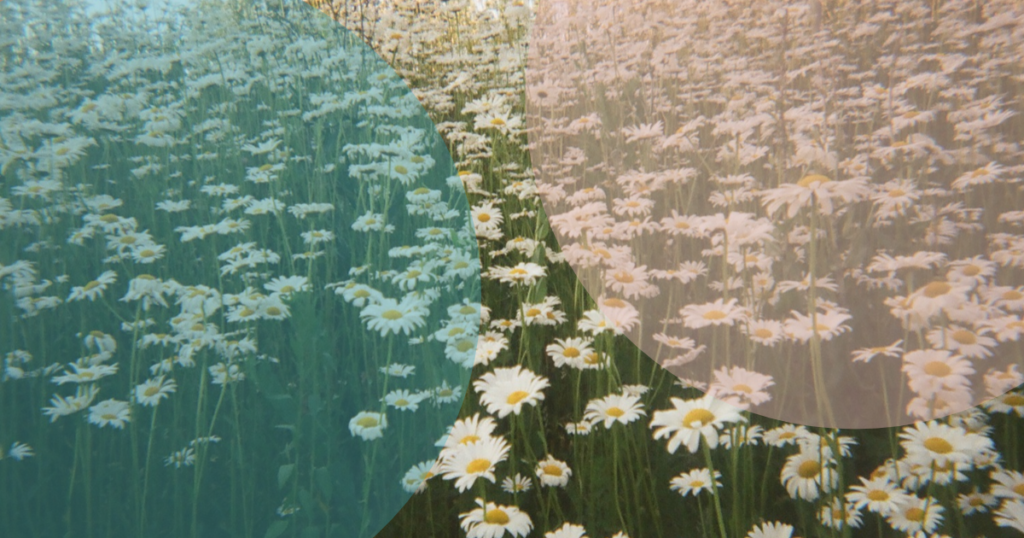
My mother gathers herbs in the summer. She picks them on warm days, dries them, and saves them for the colder months. As a child, I didn’t think of it as anything special. It was simply part of the year, like the first snow or the smell of the oven in December.
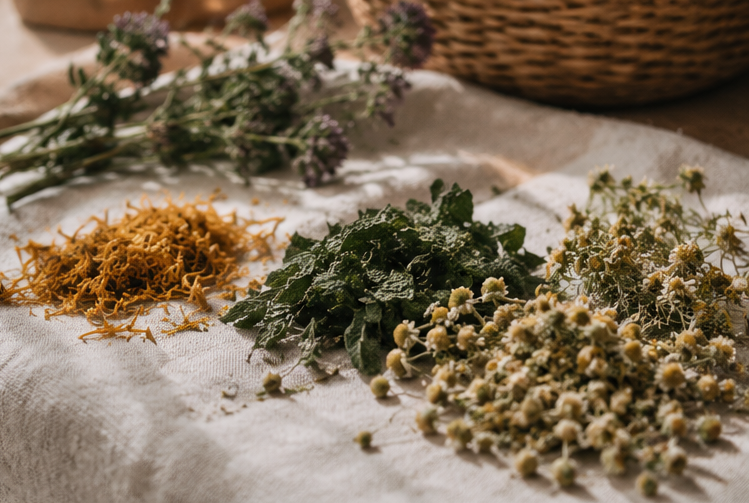
But I remember the house during those weeks of drying: the particular fragrance of plants slowly losing their moisture, spread out and left to dry. And I remember winter, when that same smell returned, rising from a cup. Homemade herbal tea was a natural part of family life, especially when someone caught a cold or simply felt unwell. Someone would put the kettle on, a few dried leaves would go into the pot, and the whole kitchen would smell like July.
A hot drink and the feeling of someone taking care of you are comforting in themselves. That is what I remember most: being looked after. The tea was simply the form that care took.
Now that I’m older, I think what moves me most is the idea behind it. There’s something quietly beautiful about drinking, in the darkest part of winter, something that was gathered in the sun. Picking and drying herbs can be a gentle, almost meditative activity. It asks for patience; you can’t rush a plant into being dry. It connects you to the rhythm of the seasons in a way that a tea bag from a shelf, however pleasant, doesn’t quite manage.
You Don’t Need a Garden to Grow Your Own Herbs
I don’t gather my own herbs as faithfully as my mother does. But every time I open a jar of dried leaves, I feel connected to her, to summer, and to those winter evenings of my childhood.
And you don’t need a countryside garden to grow a few herbs of your own. Fresh herbs can thrive on a windowsill, too.
Mint is a good place to start. Plant it in a pot with drainage holes, put it somewhere sunny, and water it regularly. It likes its soil lightly moist, but not soaked. When you want a cup of tea, pick a few fresh leaves, gently crush them between your fingers to release their scent, and pour hot water over them.
That’s all. Even one small plant can make an ordinary cup feel more personal because you grew it yourself. And it’s a lovely way to have fresh leaves close at hand without buying them every time.
A Few Herbal Teas Worth Getting to Know
I’m not an herbalist, and I don’t want this to turn into a guide to herbal medicine. But here are a few teas I enjoy, along with a little about their flavour, traditional uses, and what research actually tells us. One thing worth keeping in mind is that much of the available research is preliminary and often looks at concentrated extracts or supplements rather than an ordinary cup of tea.
Chamomile
Chamomile is a classic bedtime tea. I disliked it as a child. It seemed bitter and strange to me, and I couldn’t understand why adults sipped it so contentedly. Over the years, I’ve slowly learned to appreciate its distinctive, slightly honeyed and earthy flavour. Now it’s one of my favourite evening cups.
Traditionally, chamomile is associated with relaxation. Some preliminary studies suggest that chamomile supplements might help with generalized anxiety, but the evidence is limited. There is also little convincing evidence that chamomile tea improves insomnia. I enjoy it for the ritual and the taste, not as a sleeping aid.
Peppermint
Peppermint is fresh, bright, and refreshing. It’s also easy to grow at home, which makes it a lovely herb to have around. Traditionally, it’s used for digestive discomfort. The stronger research, though, is on peppermint oil capsules, not tea, and the two shouldn’t be treated as the same thing. Peppermint may also aggravate acid reflux in some people, so if you experience heartburn, it may not be your best evening cup.
Lemon Balm
Lemon balm has a gentle, lemon-like scent and a mild flavour. It’s particularly lovely for a quiet evening. Traditionally, people have used it for relaxation and mild tension. A 2024 review of the research found some promising early signals for anxiety and sleep quality, but most of the studies involved extracts or capsules. There isn’t enough evidence to say that lemon balm tea treats anxiety or insomnia. I simply enjoy its gentle flavour and the feeling of settling down with a cup.
Ginger
Ginger is warm and slightly spicy, making it a lovely choice on cold evenings. It has been studied for nausea, with some promising evidence in certain situations. However, much of the research involves ginger supplements, and the findings don’t automatically apply to an ordinary cup of ginger tea.
Calendula and Rosehip
Two more I love, briefly. Calendula tea has a distinctive flavour and brings back childhood memories, so I’m perhaps not the most objective judge. Rosehip is fruity and slightly tart, making it a lovely autumn and winter drink. It contains vitamin C, although the amount that ends up in your cup can vary. I think of it as a pleasant, tangy tea rather than a vitamin supplement.
A Short Word on Safety
Herbs are plants, but that doesn’t mean they’re suitable for everyone. Some can interact with medicines. Chamomile, for example, may interact with blood thinners and certain other drugs, and it can trigger allergic reactions in people sensitive to ragweed and related plants.
If you’re pregnant, breastfeeding, taking medication, or have known allergies, check with a doctor or pharmacist before using herbs regularly for medicinal purposes. And if you gather wild herbs, make sure you can identify them with certainty and always gather responsibly.
You Don’t Need a Trendy Drink to Create a Ritual
Every season brings its fashionable drinks: matcha lattes, pumpkin spice lattes, and seasonal café creations, all beautifully photographed. I enjoy them occasionally, and there’s nothing wrong with that. I just don’t think a cozy life has to be purchased one cup at a time.
If you enjoy this way of thinking, I wrote more about it in How to Romanticize Your Life Without Buying More Stuff.
I don’t like rituals that feel like homework, so this isn’t a routine to follow. These are simply a few things I enjoy when making my evening tea:
- Choose a herb or blend you genuinely like. If you’re not sure what you prefer, try a few different ones.
- Before adding the water, take a moment to smell the dried leaves.
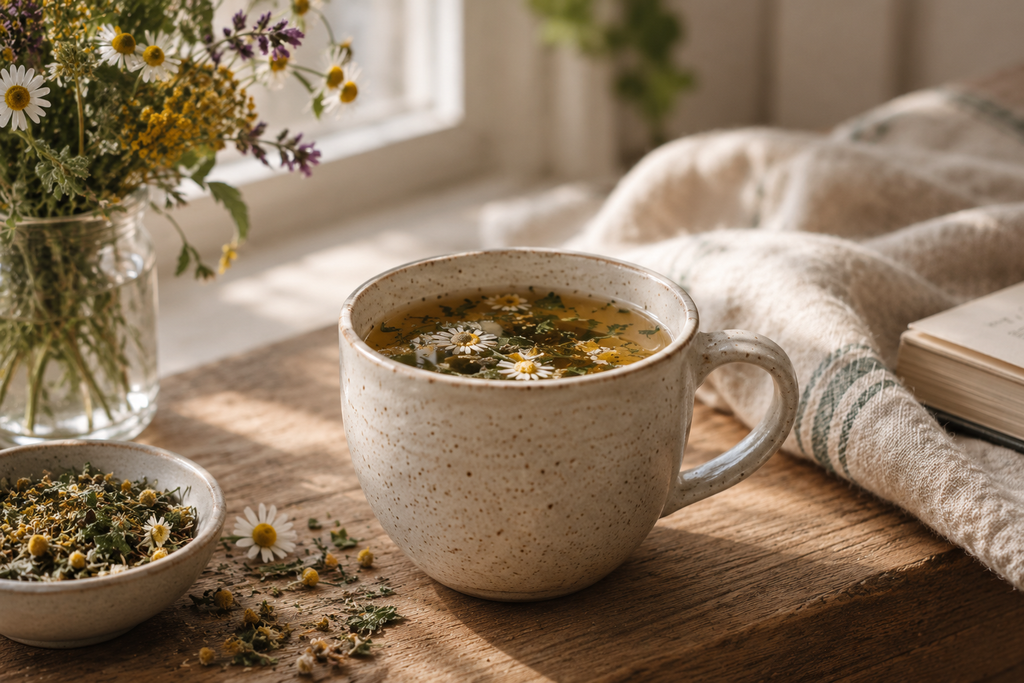
- Watch the herbs release their colour and scent into the water.
- Let the cup mark the end of the busy part of your day.
It doesn’t have to be aesthetic, elaborate, or perfect, and it doesn’t have to happen at exactly the same time every evening. Some evenings I forget; on others, I drink my tea standing at the kitchen counter. That’s fine, too. Even five quiet minutes can be enough. What matters is the experience, not creating one more obligation.
Finding Comfort in Simple Things
To me, herbal tea is more than a drink. It connects me to nature, the changing seasons, my mother’s kitchen, and a slower rhythm of life.
Sometimes, all we need is a warm cup of tea, a familiar herbal scent, and a few quiet minutes at the end of the day.
What’s a taste or a smell that takes you straight back to your childhood? I’d love to hear about it in the comments.
Sources
- Chamomile: At a Glance (NCCIH)
- Chamomile (Merck Manual, consumer version)
- Clinical Efficacy and Tolerability of Lemon Balm in Psychological Well-Being: A Review (Nutrients, 2024)
- Best Tea for an Upset Stomach (Healthline; covers peppermint and ginger)
Atgalinis pranešimas: A Gentle Weekend Reset: How to Rest Before a New Week